Exactly How Cellar Waterproofing Works: A Comprehensive Guide for Your Home
Basement waterproofing is essential for protecting homes from water damage. Different approaches exist to deal with wetness problems, each customized to certain causes. House owners need to understand these alternatives to choose the ideal solution for their needs - Water Solutions Omaha. The effectiveness of these techniques relies upon the best products and strategies. What are one of the most common techniques, and how can they be executed properly? This guide will certainly check out these crucial elements
Recognizing the Reasons For Basement Dampness
Although basements are typically created to be practical and dry areas, they can succumb moisture because of different elements. One main cause is poor water drainage around the structure, which can lead to water merging and infiltration. In addition, hefty rains or quick snowmelt can bewilder drain systems, exacerbating wetness problems. An additional substantial variable is the natural humidity present in the ground, which can permeate through walls and floorings, specifically in older homes with much less reliable obstacles. Splits in the foundation might also permit water invasion, especially throughout durations of heavy rainfall. Pipes leakages within the cellar can add to moisture buildup, creating an atmosphere favorable to mold and mildew growth. Poor ventilation can catch moisture, getting worse the overall dampness problem. Comprehending these causes is vital for house owners looking for reliable solutions to protect against basement moisture problems.
Sorts Of Cellar Waterproofing Approaches
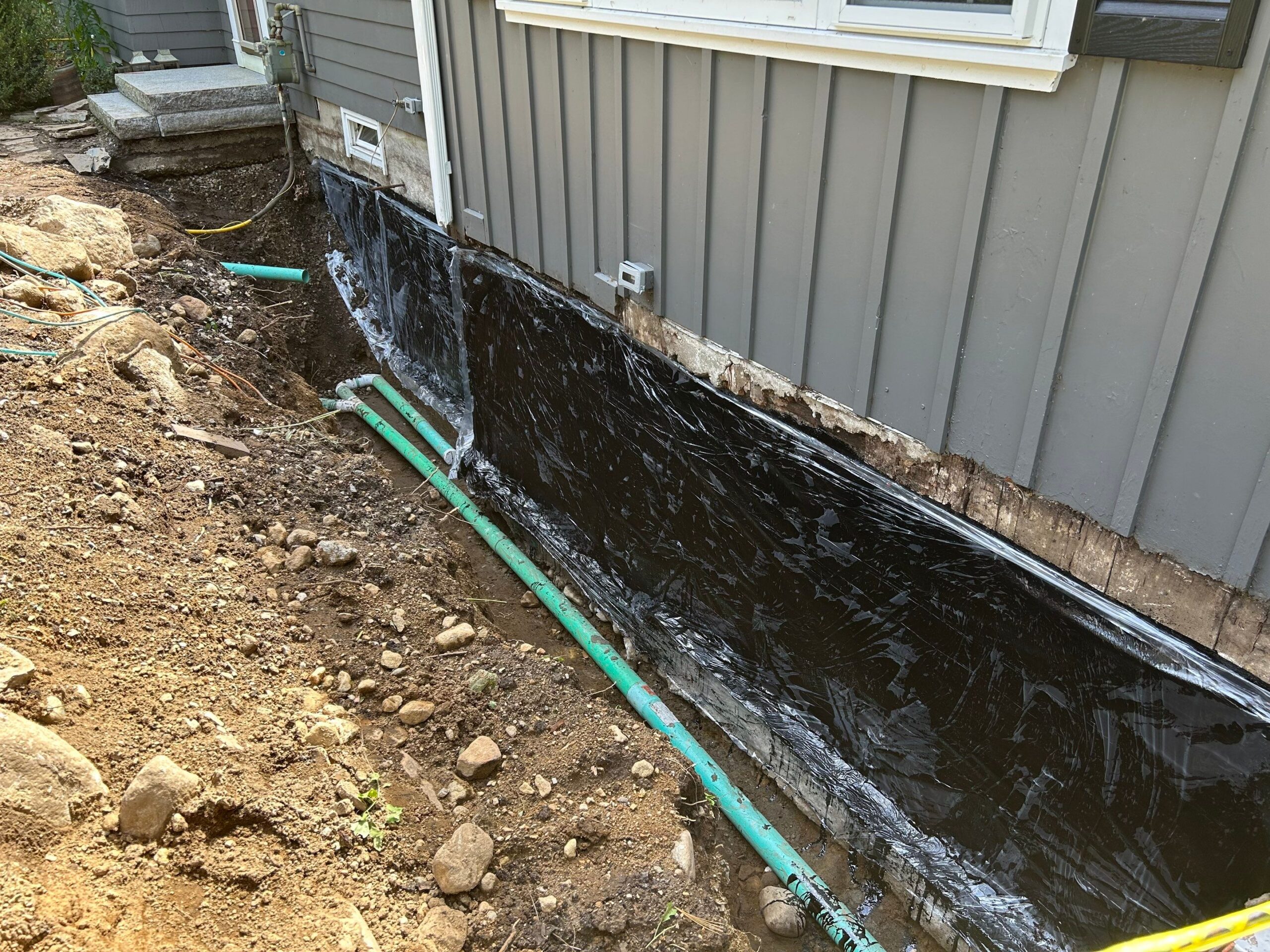
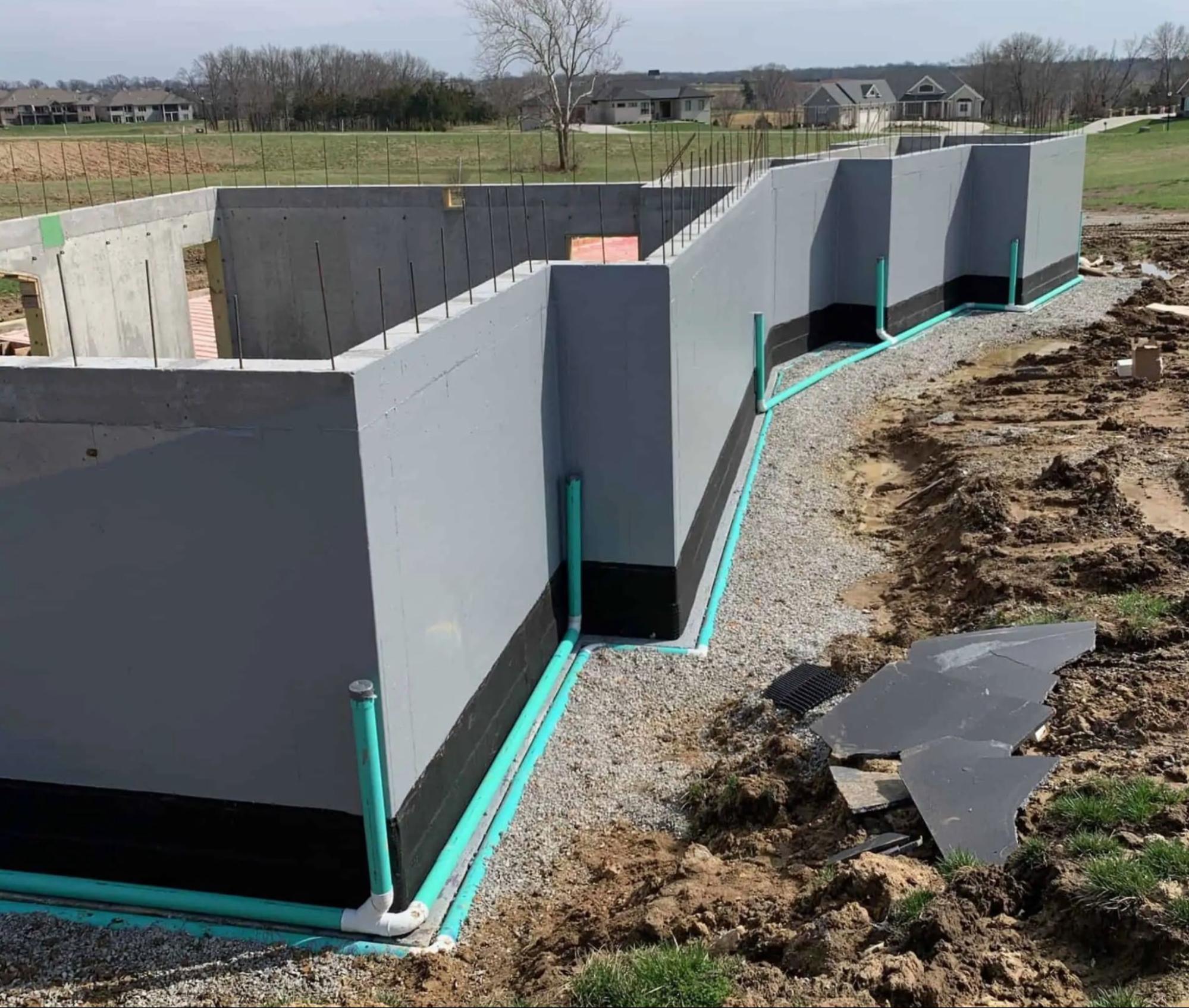
Cellar waterproofing techniques are vital for shielding homes from wetness damages and keeping a secure living environment. These techniques can be broadly classified right into external and interior options. Inside waterproofing normally entails the installation of drainage systems, sump pumps, and vapor obstacles. These systems function to divert water away from the basement and avoid moisture from permeating with the wall surfaces or floor.On the various other hand, exterior waterproofing concentrates on avoiding water from getting in the home in the starting point. This can include excavation around the structure, using water resistant finishes, and mounting drain ceramic tiles to reroute water away from the framework. In addition, some house owners may choose for a combination of both indoor and outside methods to assure complete defense. Eventually, the choice of waterproofing method depends upon the specific conditions of the home and the level of dampness existing in the basement.
Products Used in Waterproofing Solutions
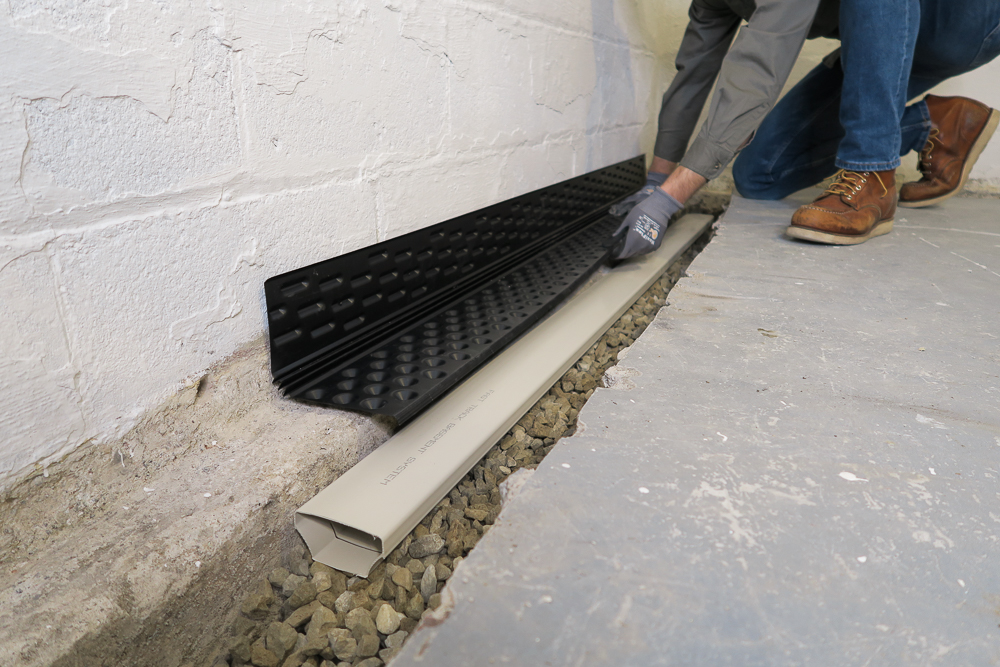
Various products are used in waterproofing remedies to improve the efficiency of both exterior and interior techniques. Typically made use of products consist of fluid membrane layers, which produce a seamless obstacle versus moisture. These membrane layers are commonly made from polyurethane or rubberized asphalt, providing adaptability and toughness. Additionally, cementitious waterproofing products are preferred for their simplicity of application and strong adhesion to surfaces.For outside applications, products such as drainage boards and geotextiles are efficient in rerouting water away from structures. Squashed rock and gravel are additionally made use of in water drainage systems, promoting proper water circulation and reducing pressure buildup. Sometimes, specialized sealants and finishes, like silicone or epoxy, are put Resources on provide additional security against water infiltration. With each other, these materials play a crucial duty in making certain that a cellar continues to be dry and safeguarded from water damages.
Steps to Waterproof Your Cellar
Waterproofing a cellar includes an organized approach to successfully protect against water invasion and damage. The initial step is to inspect the outside of the home, examining for splits or gaps in the structure. These ought to be secured with an ideal water-proof sealant. Next, confirm that rain gutters and downspouts are functioning appropriately and routing water far from the foundation.After attending to outside problems, the inside ought to be analyzed. Setting up a waterproof membrane on basement walls can provide extra protection. Sump Pump Installation And Replacement. It's also recommended to apply a sump pump system to manage any water accumulation.Finally, grading the landscape around the home can aid route water away from the foundation, further lowering the threat of water infiltration. By following these steps carefully, house owners can create a durable defense against cellar flooding and wetness problems
Upkeep and Avoidance Tips for a Dry Cellar
Regular maintenance and proactive actions are crucial to making sure a completely dry cellar long after preliminary waterproofing efforts. Property owners ought to regularly examine rain gutters and downspouts, guaranteeing they straight water far from the foundation. It is vital to maintain these free from debris to avoid overflow. In addition, keeping appropriate rating around the home assists network water far from the structure.Checking for splits in floors or walls is important, as these can allow moisture infiltration. Any kind of identified splits should be quickly sealed with suitable products. Additionally, more info here mounting a sump pump can provide added security against flooding.Humidity degrees in the basement ought to also be kept an eye on, as high humidity can bring about mold and mildew development. Making use of a dehumidifier can help maintain a comfy environment. Finally, ensuring correct air flow in the basement aids in minimizing wetness accumulation, maintaining the stability of the waterproofing system with time.
Frequently Asked Inquiries
How Much Time Does Cellar Waterproofing Normally Last?
The longevity of cellar waterproofing typically differs based upon materials and installation quality. Typically, it can last from 5 to 10 years, with some systems possibly enduring longer if correctly preserved and kept an eye on gradually.
Can I Waterproof My Basement Myself?
The specific thought about whether to water-proof their cellar independently. While DIY options exist, they need understanding of products and methods. Specialist solutions guarantee efficient results, often exceeding the potential dangers and obstacles related to self-installation.
What Are the Indicators of Inadequate Waterproofing?
Indications of inadequate waterproofing include relentless dampness, mold and mildew development, stuffy smells, peeling off paint, and water stains on floors or wall surfaces. Home owners should deal with these issues look at this now immediately to stop additional damages and maintain a healthy and balanced living setting.
Does Basement Waterproofing Rise Home Value?
Basement waterproofing can enhance a home's value by stopping water damages and improving comfortable area. Prospective purchasers typically prioritize completely dry cellars, making waterproofing an important investment that adds to overall home allure and bankability.
Just How Much Does Basement Waterproofing Expense on Average?
The average expense of basement waterproofing typically varies from $1,500 to $5,000, varying based upon factors such as task size, technique made use of, and neighborhood market problems. Property owners ought to get multiple quotes for exact quotes. Cellar waterproofing is important for safeguarding homes from water damages. Cellar waterproofing techniques are essential for securing homes from moisture damage and preserving a risk-free living setting. These systems function to divert water away from the basement and protect against wetness from permeating with the wall surfaces or floor.On the other hand, outside waterproofing focuses on stopping water from entering the home in the initial location. The durability of basement waterproofing commonly varies based on products and installment high quality. Cellar waterproofing can enhance a home's worth by protecting against water damage and improving comfortable area.